
Shopping Cart
Your Cart is Empty


You try on four rings in one afternoon, and the diamond looks a different size in every one. Nothing about the stone has changed. The setting around it has.
Engagement ring settings decide how much light reaches a stone, how well it is protected, and how the ring behaves on your hand at work or in the gym. At Manna Jewellers in Birmingham's Jewellery Quarter, we finish every ring by hand, and we usually start with the setting. Browse the options in our engagement rings collection while you read.
Engagement ring settings differ in how they hold the stone, which changes sparkle, security, and upkeep.
Solitaire and halo settings show the most light, while bezel, channel and flush settings protect the stone best.
Halo and cluster settings make a stone look bigger without adding carat weight.
Tension and cathedral settings look striking but suit careful wear better than hands-on jobs.
Pointed shapes such as pear, marquise and heart need V-claws on the points.
Platinum and 18ct gold suit every setting, and the metal affects cost and wear as much as the style does.
Any setting benefits from a yearly check of the claws and stones.
An engagement ring setting is the part of the ring that holds the stone in place. It includes the claws or rim around the centre stone and the way any smaller stones sit on the band. People often mix up the setting with the style, and they overlap, but a setting is about how the stones are held, while style is the ring's overall look.
Two rings can share a stone and a metal and still feel completely different. A raised six-claw solitaire throws light from every angle. A bezel wraps the same diamond in metal and sits low on the finger. Neither is better. They answer different questions.
The table below gives a quick overview of each engagement ring setting covered in this guide. Ratings are relative, so "High" means high compared with the other settings on the list.
|
Setting |
Sparkle |
Security |
Maintenance |
Best for |
|
Solitaire prong |
High |
Medium |
Medium |
Showing off one stone |
|
Bezel |
Medium |
High |
Low |
Active hands and daily wear |
|
Halo |
High |
Medium |
Medium |
Making the centre stone look larger |
|
Hidden halo |
High |
Medium |
Medium |
A plain top view with a surprise from the side |
|
Pavé |
High |
Medium |
Medium |
A band that sparkles all the way round |
|
Channel |
Medium |
High |
Low |
Snag-free everyday wear |
|
Flush |
Low |
High |
Low |
Hands-on jobs and a smooth, plain look |
|
Tension |
High |
Medium |
Medium |
A modern, floating look |
|
Cluster |
High |
Medium |
Medium |
Big impact and a vintage feel |
|
Three-stone |
High |
Medium |
Medium |
Meaning and colour contrast |
|
Cathedral |
High |
Medium |
Medium |
Added height and a statement silhouette |
One stone, held up by claws (also called prongs). It is the setting most people picture first, and it lets light in from the sides as well as the top. Four claws show more of the stone, while six claws hold it more firmly. Our round six-claw solitaire shows the classic version, and the centre diamond is chosen separately.

The trade-off is that raised claws can catch on knitwear and hair. Worn claws can also loosen, which is why a yearly look under a loupe is worth the few minutes.
A thin rim of metal wraps around the stone, either fully or partly. A bezel (sometimes called a rubover) covers the edge of the stone, so almost nothing can snag. It suits nurses, teachers, climbers and anyone who hits their hands on things. You lose a little light from the sides, but the stone stays better protected. See our ruby and diamond bubble rubover ring for the look.
A ring of smaller stones around the centre stone, sitting level with it. A halo makes the centre stone look larger and adds sparkle from the top. Designs vary, including a double halo, as on our octagon ruby double diamond halo ring.

All those little stones mean more to check at each service. Resizing is also a little more involved.
From above, it looks like a solitaire. From the side, you see a line of small diamonds tucked under the centre stone. It suits someone who wants a plain top view with a bit of a surprise. The small stones sit where the ring takes the most wear, so ask how they are set and have them checked at each service. If you want one, ask about it through our bespoke jewellery service.
Tiny stones set close together, held by small beads of metal, so the band glitters from end to end. It works well on a thin band with a larger centre stone. The beads are delicate and can wear down over the years, so ask us before you use any ultrasonic cleaner. A good example is the pavé halo lab-grown diamond ring.
Stones sit side by side in a groove between two walls of metal, with nothing standing proud. It is smooth, secure and hard to snag. Our emerald-cut diamond solitaire with a channel-set shank pairs claws on the centre stone with a channel on the band. The downside is that channel-set bands are harder to resize, so confirm your finger size first with our finger size guide.
A flush setting (some jewellers call it a gypsy setting) puts the stone into a hole in the band, so the top of the stone sits level with the metal. Nothing sticks up at all. That makes it one of the most secure and snag-free choices, and it is popular for people who work with their hands. It shows less light than a raised claw setting, and it looks plainer. Ask us about a flush setting in our workshop if you want one made.
The stone appears to float, held between the two ends of the band by pressure. It looks modern and slightly architectural. Tension works best with hard, tough stones, so ask us before choosing a softer one. Resizing is difficult, and repairs need a specialist. The round tension set emerald ring gives you an idea of the look.
Several smaller stones grouped to look like one larger one. A cluster can give a lot of presence for the money and often has a vintage feel. Our octagon blue sapphire diamond cluster ring shows the idea. With many small claws, stones can loosen over time, so regular checks matter more here.
A centre stone with a smaller stone on each side. The three stones are often read as past, present and future, though plenty of people choose it simply because it looks balanced. Side stones can be diamonds or a contrasting colour. Our three blue sapphire diamond halo ring is one example, and our oval trilogy ring with trillion side stones is another. If you like the two-stone idea, our toi et moi rings guide covers it.

Arches of metal rise from the band to lift the stone, a bit like the ribs of a church roof. The extra height gives a strong silhouette and lets light in from more angles. The high profile can catch on clothing, so it suits careful, everyday office wear better than manual work. Our heart-shaped solitaire with a cathedral setting uses three V-claws to protect the heart's point.

Think about your hands for a minute before you choose from the engagement ring settings above. If you type all day and your hands rarely touch anything harder than a keyboard, a raised cathedral or solitaire setting will be fine. If you cook, lift, garden or treat patients, a bezel, channel or flush setting is kinder to both the ring and your jumpers.
Smaller details matter too. A ring that sticks up high needs a bit more attention in a coat sleeve. A thin pavé band suits someone who takes it off for washing up. None of this rules out a setting. It only helps you pick one you will actually wear every day.
Round diamonds are the most flexible, and they look good in nearly any setting. Oval and cushion shapes look lovely in a halo, which adds a frame. Emerald-cut stones suit clean lines such as a four-claw setting with a channel-set band. Pear, marquise and heart shapes have points, and those points chip easily, so ask for V-claws to protect them.
Gemstones follow the same logic with one extra question: how hard is the stone? Sapphire and ruby are tough, while emerald and opal need more protection. Our diamond and gemstone shape guide shows how each cut sits in a setting.
The setting changes the price in two ways. More stones and more metalwork mean more labour, so a pavé or cluster ring usually costs more to make than a plain solitaire. The metal matters too, because platinum usually costs more than 18ct gold.
If you are planning a budget, our guide to how much to spend on a gemstone engagement ring breaks it down.
Expert tip: Whichever setting and metal you choose, look inside the band for a hallmark. It shows the metal's purity, such as 750 for 18ct gold, and which assay office tested it. An anchor mark means Birmingham. The Birmingham Assay Office hallmarks guide explains each mark. Bring a ring to our Jewellery Quarter workshop, and we will talk you through what yours says.
The most common are solitaire, bezel, halo, pavé, channel, three-stone, cluster and cathedral. You will also see hidden halo, tension and flush settings. They differ in how the stone is held, how much light it catches, and how much care it needs.
Bezel, channel and flush settings protect the stone best because metal surrounds or covers its edges. Claw settings are secure too, as long as the claws are checked regularly. For everyday hands-on work, we would point you to a bezel or flush setting.
A halo setting usually makes the centre stone look larger because the ring of small diamonds extends its outline. A cluster does something similar. Cathedral settings lift the stone, which can help it stand out on the hand.
A flush setting, sometimes called a gypsy setting, sits the stone in a hole in the band so the top is level with the metal. It is smooth, snag-free and very secure. The stone shows less light than in a raised setting, so the look is plainer.
A yearly check is a good habit, especially for claw, halo, pavé and cluster settings with lots of small stones. A jeweller can spot loose claws before a stone is at risk. We offer this through ourjewellery repair service.
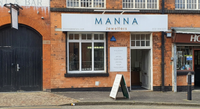
Manna Jewellers is a family-run jeweller in Birmingham's Jewellery Quarter, and we've been working since 1977. Every ring is hand-finished in our workshop, and our engagement rings are made in 18ct gold and platinum. If you would like to try different settings on your own hand, book an appointment and we will talk you through them.
How to Choose an Engagement Ring: The Complete Buying Guide for UK Couples: The step-by-step route from budget to stone to setting.
Diamond and Gemstone Shapes: Helps you match a shape to the right setting.
How to Create an Engagement Ring: Your Guide to Custom Ring Design: For when no ready-made setting is quite right.

Whether you’re inspired by Claudia Winkleman’s enigmatic style or simply seeking a piece that reflects your journey, a gold signet ring from Manna Jewellers is a perfect choice. It’s more than jewellery; it’s a statement of who you are.
Explore our collection at mannajewellers.com and visit us in Birmingham’s Jewellery Quarter to experience craftsmanship at its finest. Speak to us about getting your next ring designed.


